
Lemon Oil: 5 Uplifting Benefits for Skin & Face, How to Use & Sun Safety
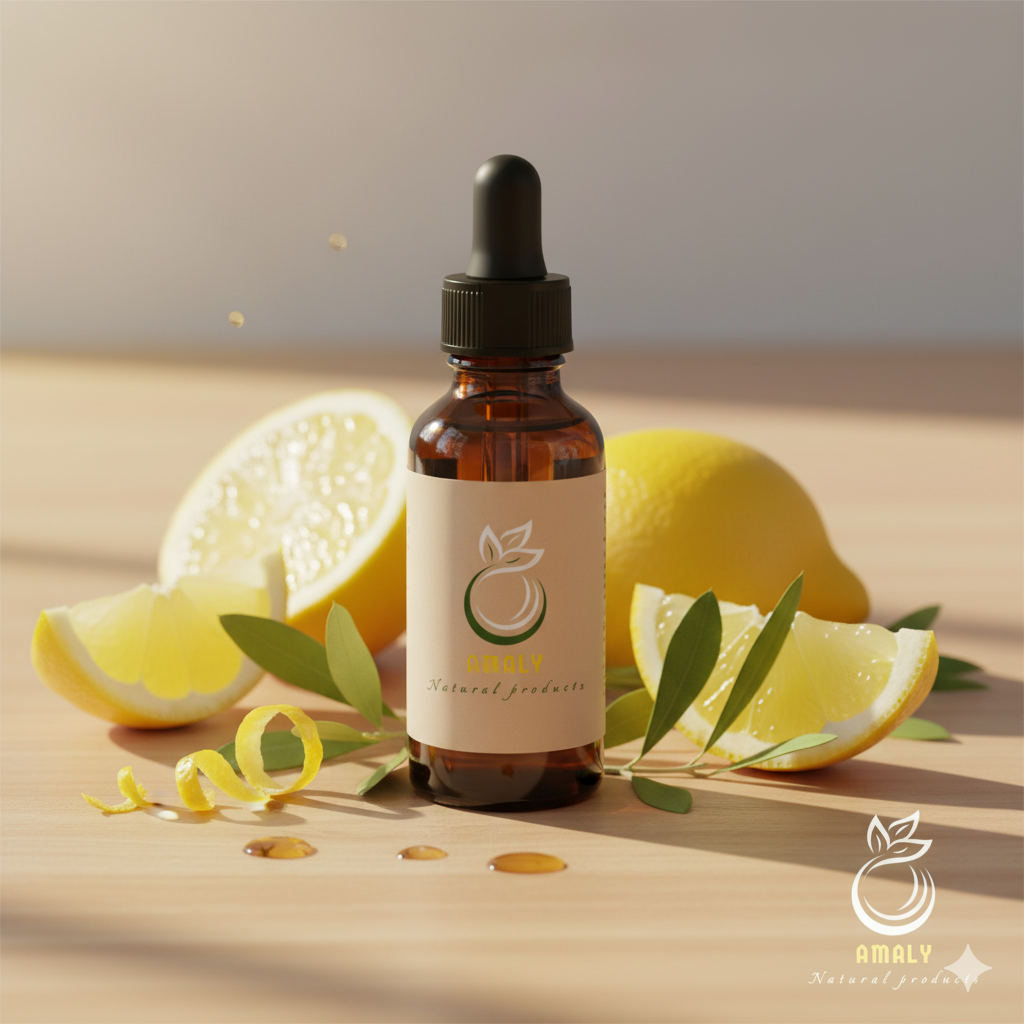
Written by the Amaly team. Sources are linked in the article. Last updated 15 November 2026. Key takeaways Lemon oil has a bright, fresh, uplifting scent and can give skin a fresher, brighter look. Cold-pressed oil reacts with sunlight. On skin, use it in the evening and keep that area out of the sun for 12-18 hours. This oil does not lighten skin or remove dark spots. Used before sun, it can actually cause dark marks. Pure lemon essential oil must be diluted. Cold-pressed lemon should stay at 2% or less on skin. For scent, the oil is one of the easiest oils to enjoy in a diffuser. Lemon oil is used mainly for its bright, fresh scent and to give skin a fresher look. It is also one of the oils that needs the most care, because many lemon oils react with sunlight. This guide covers what lemon oil is, its real benefits, how to use it on skin and face safely, in a diffuser and around the home, its side effects, and how to tell a real one. What is lemon oil? Lemon essential oil comes from the peel of the lemon fruit, Citrus limon. It is made in two ways, and the difference matters: Cold-pressed lemon oil: the peel is pressed to release the oil. It smells closest to fresh lemons, but it contains natural compounds that can make skin react badly to sunlight. This is called photosensitivity. Steam-distilled lemon oil: a lighter smell, and much less likely to react with the sun. “Lemon oil” can also mean a ready-to-use oil (a small amount of lemon essential oil in a carrier oil) or a lemon-scented oil. Always check the label. Lemon oil benefits: what it really does What is lemon oil used for? These are the lemon essential oil benefits that are honest to promise: A fresh, uplifting scent: one of the most cheerful oils for the home and for a morning mood. A fresher, brighter look: in an evening routine, it can give skin a fresher look. A refreshing massage: mixed with a carrier oil, in the evening. A clean-smelling home: in a diffuser or in a water spray for cleaning. A great blending oil: lemon brightens floral oils like rose and lavender. Lemon oil and the sun: the most important rule Cold-pressed citrus oils, including lemon, can cause redness, burning or dark marks on skin that goes into the sun after use. So: Use the oil on skin only in the evening. Keep that skin out of the sun and tanning beds for 12-18 hours. Keep cold-pressed lemon at 2% or less on skin (no more than 2 drops in 5 ml of carrier oil). If the label does not say “steam-distilled”, treat it as sun-sensitive. Keep using your normal sunscreen during the day. Lemon oil for skin Patch test: in the evening, on the inside of your arm. Wait 24 hours. Dilute: 1 drop of pure lemon essential oil in 5 ml carrier oil (about 1%) is a gentle start. A ready-to-use blend is already diluted. Evening only: massage onto arms, legs or back after a shower. Next day: keep that skin covered or out of the sun. Good carrier oils: sweet almond oil or grape seed oil for a light evening massage. Lemon oil for face Only in the evening, well diluted (1 drop in 5 ml carrier oil) or a ready-to-use oil, after a patch test. Keep away from the eyes and lips. No sun on the face for 12-18 hours afterwards. If you go out in the morning, skip lemon on the face. Skip it on sensitive or irritated skin. Does lemon oil lighten skin? No. There is no good evidence that the oil lightens skin or removes dark spots, and used before sun it can cause dark marks. A dermatologist can tell you what actually helps with dark areas. More ways to use it Home spray: a few drops of pure oil in a spray bottle of water for a fresh-smelling kitchen. Shake before each use. Study or work: many people like a lemon scent while working. Evidence that it improves focus is limited. Massage blend: lemon with sweet almond oil in the evening. Mosquitoes: this oil is not a proven mosquito repellent. “Lemon eucalyptus” repellents are a different product. Use an approved repellent, especially for children. Blend Mix lemon with Result Bright floral rose oil Fresh, elegant Calm and fresh lavender oil Clean, relaxing Rosy citrus geranium oil Floral, fresh Clean home tea tree oil Fresh, sharp Yes, you can mix lemon oil with rose oil. Use the blend in the evening, because lemon still reacts with the sun. Lemon oil for diffuser Lemon is one of the best oils for a diffuser. Use a pure lemon essential oil, not a ready-to-use carrier blend. Most diffuser makers say not to put carrier oils in the water tank. Follow your diffuser’s instructions. Run it for 30-60 minutes, then turn it off, and keep the room ventilated. In a diffuser, the sun reaction is not a problem, because the oil is not on your skin. Keep diffusers away from babies and pets. Lemon oil side effects Sun reaction: redness, burning or dark marks if skin goes into the sun after using cold-pressed oil. Evening only, no sun for 12-18 hours. Skin irritation: always dilute and patch test. Old oil irritates more, so keep the cap closed and the bottle cool and dark. Eyes: keep away. If it gets in your eye, rinse with plenty of clean water and see a doctor if it still stings. Pregnancy and breastfeeding: ask your doctor before using any essential oil. Children: keep the bottle out of reach. Do not use on young children without a doctor’s advice. Never swallow essential oils. Lemon juice for cooking is a different thing. Regular medicines or a chronic condition: ask your doctor or pharmacist before using essential oils often. For external use only. Not a substitute for medical
Lemon Oil: 5 Uplifting Benefits for Skin & Face, How to Use & Sun Safety Read More »